Sailing Superstitions & Traditions
General

Table of Contents
- Why Were Sailors So Superstitious?
- Old Sailor Superstitions You Still Hear Today
- Food, Words & Other Taboos at Sea
- Symbols, Talismans & Lucky Charms for Sailors
- Odd & Enduring Maritime Traditions
- Experience Sailing Traditions – The Relaxed Way
Key Takeaways
For generations, sailors relied on superstitions and rituals to bring order, luck, and comfort to life at sea. Today, these traditions – from naming a boat to avoiding bananas on board – offer a fascinating look into maritime history and culture. You’ll even learn how one of these beliefs led to the name “Danger Charters.”
Before GPS and weather apps, sailors turned to experience, instinct, and a host of superstitions to navigate the unknown. Some were rooted in real-life lessons, others in folklore, but together they shaped a lively maritime culture that still colors sailing today. Exploring these traditions offers a glimpse into the stories and beliefs that once guided – and sometimes comforted – those who made their lives on the water.

Why Were Sailors So Superstitious?
For early mariners, the ocean was both a pathway to opportunity and a place of real peril. Ships were at the mercy of weather, waves, navigation challenges, and long stretches of isolation. With so much outside their control, sailors developed superstitions as a way to bring order to the chaos.
Sailing superstitions also evolved because life at sea brought together people from different cultures, each carrying their own stories, rituals, and folklore. Over time, these shared beliefs blended into a unique maritime tradition. Some superstitions were rooted in practical wisdom, others in myth, and many were simply passed down because they helped keep morale strong on long voyages.
Old Sailor Superstitions You Still Hear Today
Among all the traditions that have survived through centuries of maritime culture, none is perhaps more universally respected than the superstition around naming a boat. Sailors have long believed that a vessel’s name holds its identity and luck, and to change it without adhering to prescribed boat naming rules is to risk the sea’s displeasure. It’s a superstition taken so seriously that it helped shape the very identity of Danger Charters!
The Superstition That Shaped Our Name
Our first historic schooner was already named Danger when we met her. By tradition, removing or altering a boat’s name without a formal denaming ceremony could bring misfortune – something no seasoned sailor takes lightly! So the name stayed, and in time it became our namesake: Danger Charters. Today, our fleet of schooners includes Danger, Danger’s Prize, Danger’s Pearl … and Sarah! Sarah was her name when she came into our lives, and so Sarah she will stay!
Guests are often surprised to discover that our name has nothing to do with risky or high-adrenaline sailing. In fact, the opposite is true. At Danger Charters, we intentionally seek out calm, peaceful waters.
Other Sailing Superstitions Still Spoken
This reverence for tradition extends across many aspects of life at sea. Some superstitions once carried practical warnings, while others offered sailors a sense of control in an unpredictable environment. A few of the most enduring include:
- Whistling on board – believed to provoke strong winds or storms
- Redheads as omens – thought to bring bad luck unless spoken to first
- Cats as good luck – especially black cats, seen as weather-wise guardians of the ship
- Albatross sightings – considered a blessing, while harming one invited disaster
- Dolphins alongside the bow – viewed as a sign of safe passage
Which Day Is Considered Bad Luck for Setting Sail?
Another long-standing belief warns against beginning a voyage on Friday, a superstition tied to centuries of nautical folklore and religious tradition. While few modern captains plan around it, the idea still pops up in maritime circles – and some sailors quietly avoid Friday departures just to stay on the safe side.
Don’t worry – day sails are in the clear!
Food, Words & Other Taboos at Sea
Some of the most enduring sailing superstitions revolve around everyday items or simple phrases that were once believed to influence a voyage’s fate. These rituals and restrictions often started as practical warnings but evolved into long-standing traditions that many sailors still reference today – sometimes seriously, sometimes with a wink.
Why Are Bananas Bad Luck on a Boat?
The belief that bananas bring bad luck on board is widely held. The myth dates back to the age of wooden ships, when bananas were known to spoil quickly, attract insects, and release ethylene gas that could cause other cargo to rot.
Why no bananas on a fishing boat, specifically? Tradition says they scare the fish away – though science may disagree, the superstition lives on in many fishing communities.
Why Do Fishermen Not Say “Rabbit”?
Another curious taboo involves avoiding the word rabbit at sea. This belief traces back to old European maritime culture, where rabbits aboard cargo ships were known to chew through ropes, nets, and even hull planking. Over time, merely saying the word was thought to invite similar trouble. Sailors still sidestep it today, often using playful substitutes like “long-eared fellow” instead.
Symbols, Talismans & Lucky Charms for Sailors
Beyond names and rituals, sailors have long relied on symbols and charms to protect their vessels and guide them safely home. These traditions served as both spiritual comfort and cultural identity – visual reminders that even on the most unpredictable seas, hope and protection were close at hand.
Lucky Charms for Sailors
Throughout history, sailors trusted a variety of objects for luck, many of which still appear in maritime culture today. Each charm reflected a desire for stability and safety in a world where both were hard-won.
- The Compass Rose – a symbol of direction, purpose, and safe passage
- Horseshoes on the mast – believed to ward off evil spirits and storms
- Figureheads on the bow – carved faces or creatures meant to guide the ship forward
- Saint Christopher medals – worn for protection during long or dangerous journeys
- Anchor or swallow tattoos – earned symbols that represented safe returns, long experience at sea, or milestones crossed (like the equator)
What Do Sailors Say for Good Luck?
Spoken blessings were also a powerful part of maritime tradition. Before casting off, sailors might exchange well-wishes that invited favorable conditions. Phrases like “Fair winds and following seas,” or “Good luck and good sailing,” reinforced unity among the crew and acknowledged the journey ahead.
Even today, captains and crew often keep these sayings alive – not necessarily out of superstition, but out of respect for the generations who sailed before them.
Odd & Enduring Maritime Traditions
Not all sailing traditions were rooted in fear or superstition – many evolved from naval history, long voyages, or cultural milestones that became rites of passage for generations of sailors. These customs blend practicality, pride, and humor, offering a lighter look at life at sea.
Why Did Sailors Have 13 Buttons on Their Pants?
One of the most commonly repeated bits of nautical trivia involves the 13 buttons on traditional sailor trousers. While myths claim they represent the 13 original colonies or honor maritime deities, the truth is more functional than symbolic. Early naval uniforms used a flap-front style secured by multiple buttons, which made the pants easier to don and doff aboard a moving ship. Over time, the number became standardized – and with standardization came storytelling.
Ceremonies & Milestones at Sea
Certain events in a sailor’s life also came with their own set of rules, rituals, or lighthearted hazing. These traditions helped build camaraderie and identity among sailors who spent months or years far from home.
- Crossing the Equator (The “Shellback Ceremony”) – A time-honored transformation from “pollywog” to “shellback,” complete with playful initiation rites.
- Tattoos marking achievements – Swallows for miles sailed, anchors for stability, and turtles for crossing the equator.
- Toasts and rituals – From honoring lost sailors to blessing the ship before a long passage.
Experience Sailing Traditions – The Relaxed Way
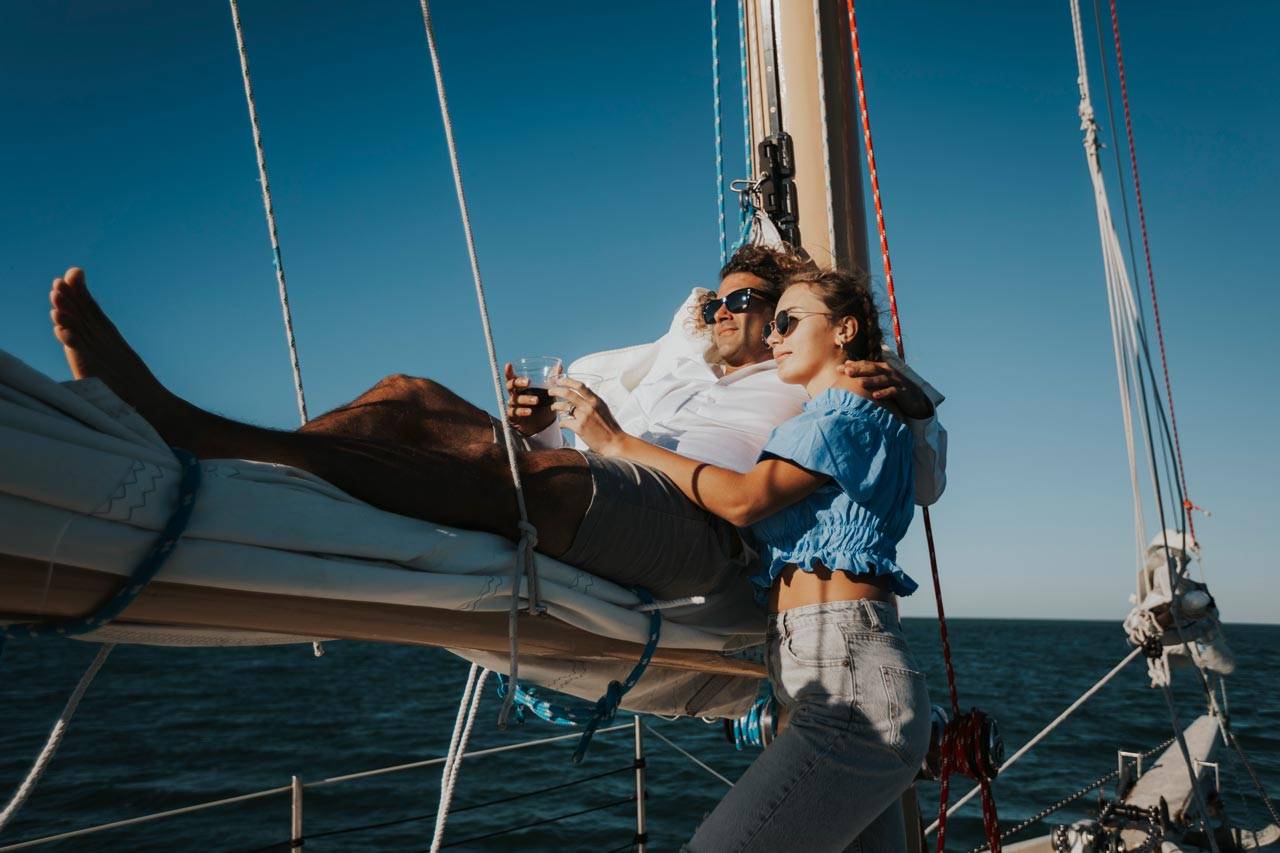
At Danger Charters, we honor our heritage not through risk or bravado, but through the timeless joy of being on the water. Our historic schooners, calm-water routes, and knowledgeable crew offer an intimate sailing experience that blends Key West history, nature, and charm.
Whether you’re joining us for a Sail, Snorkel & Kayak tour or soaking up the last rays of the day on our WInd & Wine Sunset Sail, our excursions are a chance to enjoy the best parts of sailing – sweet breeze, stunning views, and a deep appreciation for the traditions that brought us here. Wishing you fair winds and following seas!